
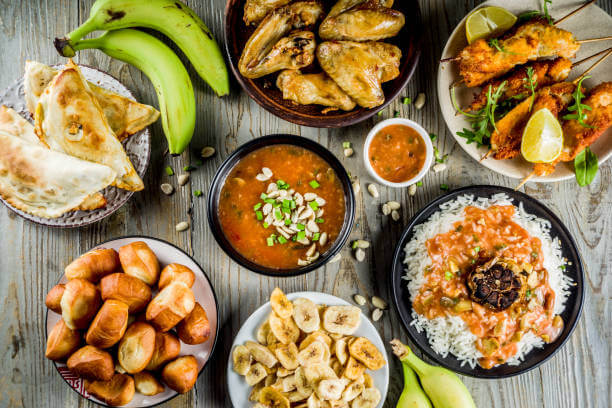
Africa is known for its diverse cultures, languages, landscapes, and, perhaps most notably, its rich culinary heritage. The continent boasts a range of flavours, ingredients, and cooking techniques that vary across regions, reflecting its people's unique histories and traditions. From the vibrant markets of Marrakech to the bustling street food scenes in Lagos, the culinary traditions of Africa are as diverse as the continent itself.
At the heart of African culinary traditions is the invaluable practice of passing down recipes through generations. This oral tradition, where the art of cooking is shared from elders to younger family members, not only preserves the authenticity of time-honoured dishes but also serves as a conduit for cultural identity. By handing down recipes, each generation becomes a custodian of not just flavours, but stories, rituals, and a connection to the past.
This transmission of culinary knowledge transcends mere sustenance; it becomes a celebration of heritage, a way to bridge the gap between the old and the new, and a means to ensure that the flavours of Africa endure through time. In this article, we delve into some of the traditional African recipes that have stood the test of time, passed down with love and pride from one generation to the next.
Jollof Rice (West Africa)
Jollof rice is a flavourful one-pot rice dish cooked with tomatoes, onions, and a blend of spices, often accompanied by chicken, fish, or other proteins. It is common in countries like Nigeria, Ghana, Senegal, Gambia, Liberia, and Sierra Leone. Variations exist across West African countries, with each having its twist on the dish.
Fufu (West and Central Africa)
Fufu is a starchy side dish made from pounded and fermented cassava, yams, or plantains, served with various soups and stews. It is common in countries like Nigeria, Ghana, Cameroon, the Democratic Republic of the Congo, and the Ivory Coast. Different regions have their versions of fufu, and the accompanying soups/stews may vary.
Injera (East Africa)
Injera is a sourdough flatbread, a staple in Ethiopian and Eritrean cuisine, often used as a base for various stews and dishes. It is common among countries like Ethiopia, Eritrea, Somalia, and parts of Sudan. It is an integral part of Ethiopian and Eritrean cuisines, often used as a foundation for various dishes.
Nyama Choma (East Africa)
Nyama Choma is a kind of grilled or roasted meat, typically beef, marinated with spices and herbs, and served with side dishes like ugali or vegetables. Countries like Kenya, Tanzania, Uganda, and Rwanda delight in this dish. It is quite popular across East Africa, especially enjoyed in social gatherings and celebrations.
Bobotie (Southern Africa)
Bobotie is a spiced, baked minced meat dish topped with an egg-based custard from South Africa. It is mostly eaten in South Africa, Namibia, and Zimbabwe, as it is considered a national dish in South Africa, with slight variations in other Southern African countries.
Sadza (Southern Africa)
Sadza is a maize-based porridge, similar to polenta, commonly served as a side dish with various meats, vegetables, or sauces. It is common in countries like Zimbabwe, Zambia, Malawi, South Africa, and Mozambique. It is known by different names in various countries, like pap, ugali, or nsima.

Mafé (West Africa)
Mafé is a rich and hearty peanut stew made with meat (often chicken or lamb), vegetables, and a distinctive blend of spices. Countries like Senegal, Mali, Guinea, and Ivory Coast enjoy this meal. It is a popular dish with regional variations that is often served during special occasions and gatherings.
Chapati (East Africa)
Chapati is an unleavened flatbread enjoyed across East Africa, often served with stews, curries, or as a snack. It is common in countries like Kenya, Tanzania, and Uganda, and enjoyed as a versatile flatbread, commonly served with stews or curries.
Moambe Chicken (Central Africa)
Moambe Chicken is a dish featuring chicken cooked in a distinctive sauce made from palm fruit extract, often served with rice or plantains. It is enjoyed in countries like the Democratic Republic of the Congo, the Republic of the Congo, and Gabon. Moambe Chicken is a speciality in Central Africa, especially in Congolese cuisine.
Atayef (North Africa)
Atayef are sweet stuffed pancakes, commonly enjoyed during festive occasions, filled with nuts, cheese, or sweetened cream. Countries like Egypt, Lebanon, Syria, and Jordan enjoy this dish. While Atayef is associated with North Africa, it's also popular in Middle Eastern regions during festive occasions.
Traditional African recipes hold profound cultural and familial significance as they serve as more than just nourishment. Rooted in centuries-old traditions, these culinary treasures are symbolic vessels of identity, connecting individuals to their roots and heritage. Prepared in familial kitchens, they become rituals that celebrate love, continuity, and community. The flavours, aromas, and techniques encapsulated in these recipes are a living testament to the diversity and resilience of African cultures. Encouraging exploration and appreciation, these dishes invite individuals to step beyond the familiar, embrace the unfamiliar, and pass on the culinary legacy to future generations. In doing so, traditional African recipes become not only a source of sustenance but also a bridge between the past, present, and future—a shared heritage to be treasured and perpetuated.
Share:
9 Nigerian snacks you need to try today
8 Traditional Caribbean foods you'll love