
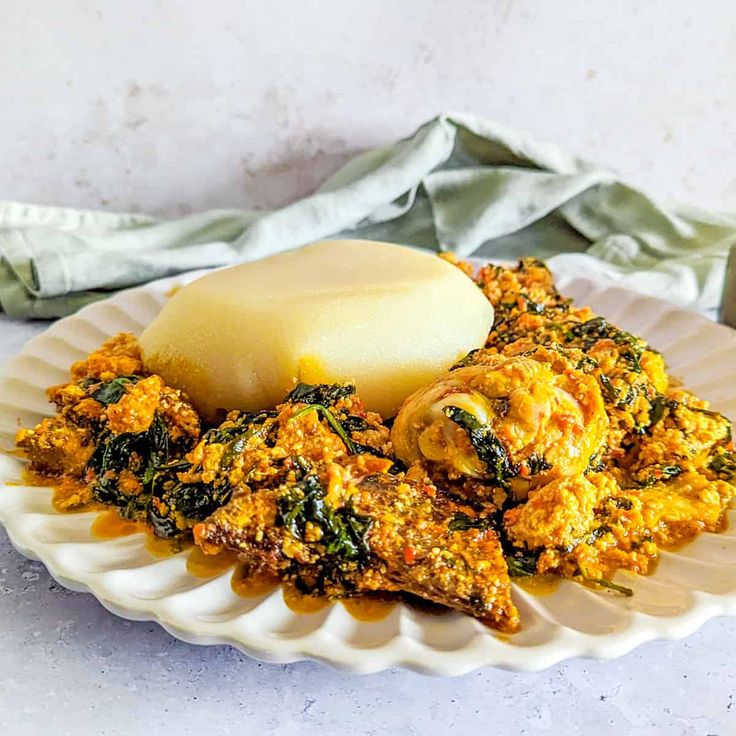
Egusi is a truly special soup loved by many Nigerians from different ethnic groups. Different cooking methods, but at heart, it remains a thick, bold and satisfying soup that can be used to eat varieties of swallow. Made from melon seeds, egusi is famous for its nutty flavour and creamy texture and is prepared with palm oil, vegetables, different proteins, and seasonings that bring the soup to life.
You might overlook egusi soup, but have you considered switching up your recipe a bit? If yes, this blog will help you prepare egusi soup like a pro and turn your simple family dinner into a feast.
What makes egusi truly special is its adaptability. Every household has its own version, passed down through generations. Some people prefer a fried style (where the egusi is fried in palm oil before being simmered), while others like it steamed or lumpy. No matter the style, one thing remains consistent: Egusi soup is one of a kind.
Key Ingredients of Egusi Soup
The Role of Egusi Seeds (Melon Seeds)
Egusi seeds are the star of the dish. They are flat, white seeds harvested from a type of melon native to West Africa. When ground, the seeds release natural oils that thicken the soup and give it a creamy consistency.
Egusi is highly nutritious, packed with proteins, healthy fats, and minerals like magnesium and zinc. Because of its richness, it makes the soup filling and energising, which explains why many generations have passed it down.
The way you prepare the seeds can affect the final texture. Some cooks toast them lightly before grinding for a deeper flavour, while others use them raw for a fresher, creamier taste. Either way, the seeds are the backbone of the soup, and mastering their preparation is key to cooking egusi like a pro.
Vegetables used in Egusi Soup
Vegetables are an essential part of egusi soup. It adds freshness, balance and nutrition. The most common vegetables used include spinach, pumpkin leaves (ugu in Nigeria), bitterleaf, or kale. Each leaf brings a different flavour — spinach is mild, ugu is slightly sweet, and bitterleaf adds an earthy bitterness to the soup.
Vegetables are usually added toward the end of cooking to keep their bright colour and fresh taste.

Proteins
Your egusi soup wouldn’t be complete without protein. That's right. For your proteins, you can add as many as you like. Beef, goat meat, chicken, stockfish, smoked fish, ponmo, shrimp, crayfish, turkey and ram meat. The type of protein you use in your egusi will affect the depth of your flavour, and you can use them according to your preference.
The combination of proteins is up to you. Some households go all-out with a mix of meats and fish, while others keep it simple. The important thing is to build a base of flavour that complements the egusi seeds.
Essential Seasonings and Spices
Seasoning is what takes egusi soup from good to unforgettable. In most recipes, you’ll find ingredients like ground crayfish, seasoning cubes, onions, garlic, and blended peppers (scotch bonnet, bell peppers, and tomatoes). Each of these adds a distinct dimension: crayfish gives depth, peppers add heat, and onions bring sweetness.
Seasoning cubes (such as Maggi or Knorr) are commonly used to intensify flavours. They work well in egusi soup, but balance is key, too much can overpower the natural taste of the seeds.
How palm oil shapes the taste
Palm oil is another core part of egusi soup. It gives the soup its signature deep red-orange colour. Without palm oil, egusi soup loses much of its main character energy.
However, the amount of palm oil used varies by preference. Some people use a generous amount, while others prefer a lighter hand. The secret is to let the oil heat gently before frying the egusi or base ingredients. This allows the flavours to bloom without becoming bitter.
Preparing Egusi Seeds
Grinding and Storing Egusi Seeds
Before cooking, egusi seeds need to be ground into a fine or coarse powder, depending on the desired texture. Traditionally, they were ground with a stone grinder, but today, blenders and spice grinders make the job quick and easy.
Once ground, egusi should be stored in an airtight container to prevent it from going rancid. Since the seeds are rich in oils, they can spoil if exposed to air or moisture. For longer storage, keep them in the freezer, where they can last for several months without losing flavour.
Toasting vs. Using Raw Egusi
There are two main approaches to cooking egusi. Use raw ground seeds or lightly toast them before cooking. Toasting enhances the nutty flavour and gives the soup a deeper, roasted taste, while raw egusi creates a creamier soup.
Which method is better? It depends on your preference. Some people swear by the toasted method, while others wouldn’t dream of changing the traditional raw approach. Both can yield delicious results, so it’s worth experimenting with each style to know which one you prefer.

Step-by-Step Guide to Cooking Egusi Soup
Preparing the Base Stock
The first step in cooking egusi soup like a pro is building a flavourful base stock. This step is crucial because it lays the foundation for everything else. A typical stock is made by boiling meat, fish, or a combination of both with onions, seasoning cubes, and salt. Depending on your preference, you can use goat meat, beef, chicken, or even stockfish for depth.
To start, wash your proteins thoroughly and place them in a large pot. Add chopped onions, seasoning cubes, salt, and enough water to cover the meat. Let it simmer until the meat is tender and the stock is rich and aromatic. For tougher meats like goat or cow skin (ponmo), longer cooking times are required to achieve softness.
This stock is more than just liquid. It’s the soul of your egusi soup. The flavours from the proteins seep into the broth, which will later combine with the egusi to create a rich, satisfying soup. Skipping this step or rushing will result in a flat-tasting dish, so take your time here.
Adding Egusi for the Perfect Texture
Once your stock is ready, it’s time to introduce the egusi. There are different methods, and your choice will determine the final texture of the soup.
-
Frying Method (Popular):
Heat palm oil in a pot, add chopped onions, then stir in the ground egusi paste (egusi mixed with a little water). Fry it gently until it forms a grainy, lumpy texture. This method gives the soup body and prevents the egusi from dissolving completely into the stock. -
Boiling Method:
Mix the ground egusi directly into the hot stock. This creates a smoother, creamier consistency, which some people prefer. It’s less oily and lighter compared to the fried method. -
Caking/Lumpy Method:
Scoop small portions of egusi paste into the soup without stirring immediately. Allow it to cook for a while before mixing. This results in soft lumps of egusi that add an interesting bite to the dish.
A pro tip is to experiment with these methods until you find your favourite. Many expert cooks combine techniques; for example, frying a portion of the egusi and then adding some raw into the stock for balance.
Vegetables and Protein
The final stage of cooking egusi soup is bringing everything together. Once the egusi is cooked and has absorbed the flavours of the stock, it’s time to add vegetables and proteins.
-
Vegetables: Add your choice of vegetable. Ugu (pumpkin leaves), spinach, or bitterleaf. These should be washed thoroughly and chopped before being stirred in.
-
Proteins: Add your cooked meat and fish into the pot. At this stage, you can also add crayfish powder or smoked fish for extra flavour. Let it simmer for another 5–10 minutes so they absorb the egusi sauce fully.
By now, the kitchen will be filled with a mouthwatering aroma. Taste and adjust the seasoning with salt, pepper, or extra crayfish if needed. When everything comes together, you’ll know you’ve cooked egusi soup the right way.
Each style has its fans, and none is considered “better” than the other. It all comes down to taste preference and tradition.
Common Mistakes Beginners Make
Overcooking the Egusi
One of the easiest mistakes to make is overcooking the egusi. When left on the heat too long, the seeds can lose their nutty flavour and turn bland. Worse still, the soup may become greasy if the oils in the seeds separate too much. To avoid this, monitor your cooking closely. Once the egusi has absorbed the flavours and thickened the soup, reduce the heat and let it simmer gently instead of boiling furiously.
Using Too Much or Too Little Palm Oil
Palm oil is essential, but balance is everything. Using too much can make the soup overly heavy and oily, leaving an unpleasant, greasy feel on the tongue. On the other hand, using too little means missing out on the flavour and colour that define egusi soup.
The trick is moderation. Start with a modest amount of palm oil, then adjust as needed. Some cooks also blend palm oil with vegetable oil to reduce heaviness without sacrificing taste.
How to Serve Egusi Soup
Traditional Pairings with Swallows (Fufu, Pounded Yam, Eba)
Egusi soup is rarely eaten on its own—it’s often paired with a “swallow”, which you scoop and dip into the soup. Common swallows include:
-
Pounded yam
-
Eba (garri)
-
Fufu
-
Amala and many more.
Modern Serving Ideas
While traditional swallows remain popular, you can make it modern by serving your egusi soup with alternatives like rice or couscous.
Share:
Different types of amala flour
The Suya Spice Hack: 5 Surprising Foods It Is Amazing On