
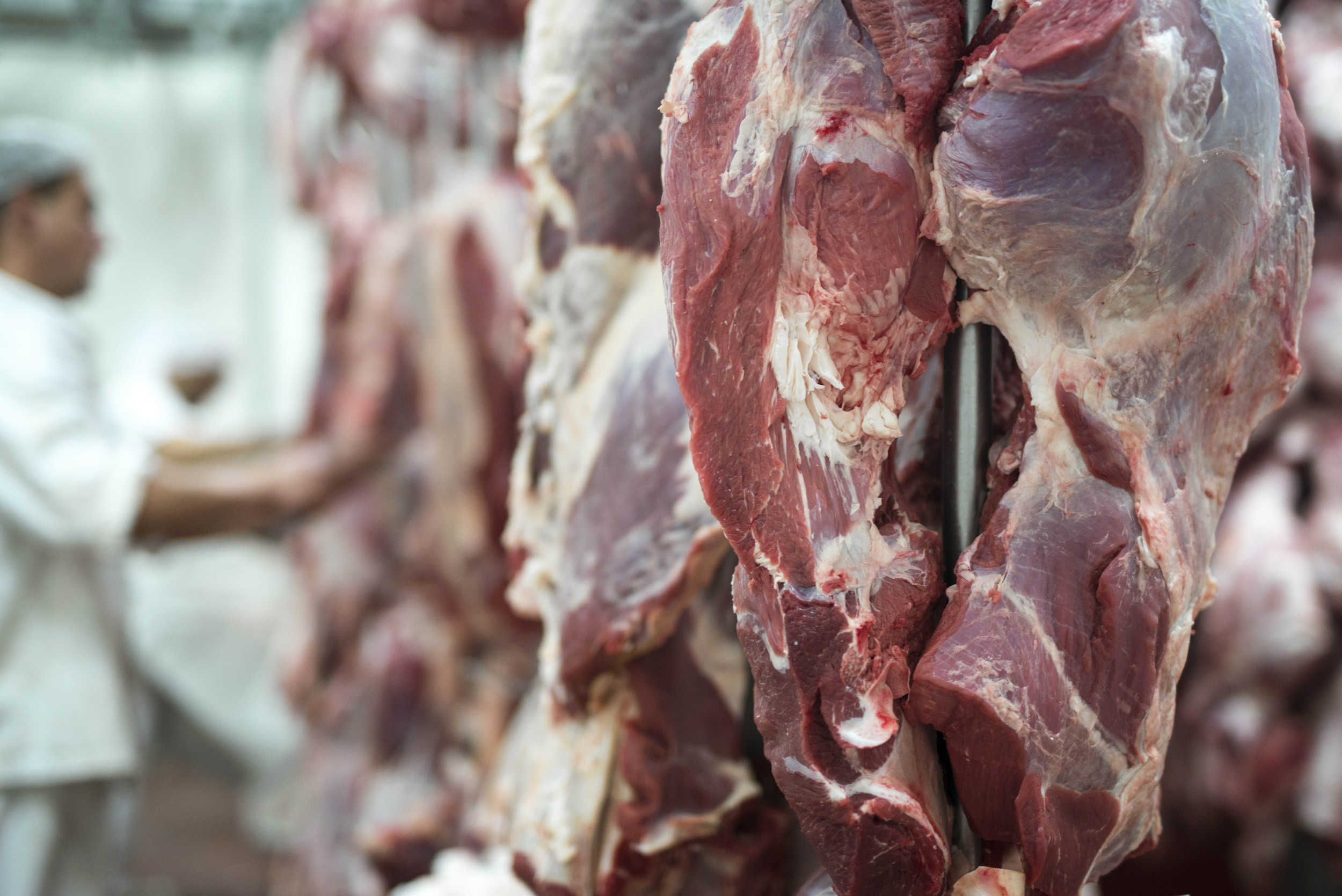
Halal meat is a significant facet of Islamic law, and it extends beyond religious observance to offer a distinctive outlook on cooking. Halal meat ensures not only spiritual fulfillment but also prioritizes quality and animal welfare. Discover the convenience and accessibility of quality Halal meat online. In this article, we explore the growing trend of purchasing Halal meat through digital platforms, providing an avenue for Muslims or people in general to seek quality, certified, and ethically sourced meat products. Also learn about the benefits, origins and principles. Join us on this captivating culinary journey where faith and quality intertwine to create a truly exceptional dining experience.
What is halal meat?
Firstly, let us define what Hala meat is. Halal meat refers to meat that has been prepared and processed in line with Islamic dietary laws, as outlined in the Quran.
What does halal mean?
The term "halal" means permissible or lawful in Arabic. Halal meat is obtained from animals that have been raised, slaughtered, and processed.
Common Guidelines Governing Halal Meat
While these guidelines surrounding halal meat may slightly differ across Islamic schools of thought and regions, they all share some common principles, which include:
1. Slaughter: The animal must be alive and healthy at the time of slaughter. A Muslim slaughterer, known as a "halal butcher" or "Zabiha butcher," must swiftly sever the major blood vessels in the neck (carotid artery) while reciting the name of Allah.
2. Animal Welfare: The animal should be treated with kindness and compassion throughout its life. It should be provided with proper nutrition, access to clean water, and a comfortable environment.
3. Forbidden Substances: The animal should be fed forbidden substances such as pork or alcohol. Additionally, any meat product derived from forbidden sources (e.g., pigs) or carnivorous animals is considered haram by Islamic Law.
4. Thorough Draining of Blood: The blood must be completely drained from the carcass, as consuming blood is prohibited in Islamic dietary laws. This is typically done by hanging the animal upside down after slaughter.
5. Halal Certification: Many countries have established organisations that certify halal products, including meat. These organisations ensure that the entire supply chain, from animal rearing to processing, complies with halal standards.

Is Halal Meat the Same as Kosher Meat?
You may or may not have heard of Kosher meat, and it can sometimes be hard to differentiate between the two.
Kosher meat refers to meat that is prepared and processed according to the dietary laws of Jewish tradition, as specified in the Torah. The word "kosher" means "fit" or "proper" in Hebrew.
Kosher meat holds some similarities and differences with halal meat. They are:
Similarities
1. Slaughter Method: Both halal and kosher types of meats require specific guidelines for slaughtering. The slaughter must be performed by a trained individual, using a sharp knife to swiftly sever the major blood vessels in the neck, aiming for a humane and quick death.
2. Draining of Blood: Both halal and kosher laws emphasise the complete draining of blood from the meat. This is typically achieved through techniques such as hanging, salting, or soaking the meat to remove the blood.
Differences
1. Slaughter Invocation: Halal slaughter involves reciting the name of Allah (God) during the slaughter, while kosher slaughter includes blessings and prayers according to Jewish tradition.
2. Species Restrictions: Halal guidelines encompass a broader range of animals that are permissible for consumption, including land animals and poultry. Kosher laws focus primarily on land animals and birds specified in the Torah, with additional rules and restrictions on specific species.
3. Inspection and Certification: Halal meat is typically certified by Islamic organisations, while kosher meat is certified by rabbinical authorities. Each certification ensures compliance with the respective religious standards.
4. Additional Kosher Requirements: Kosher laws include additional dietary restrictions, such as the separation of meat and dairy products, prohibiting their consumption together or even their preparation in the same utensils or kitchen.
Common types of meat considered halal
Hala meat or food in general is really a centerpiece when it comes to the topic of food and culture in the Islam Religion. Here are some meats that are considered halal and fit for consumption.
Beef
Halal guidelines allow for the consumption of beef from cattle that have been slaughtered according to Islamic principles.
Goat
Goat meat, commonly known as mutton, is permissible in halal diets as long as it is sourced from animals that have undergone halal slaughter.
Chicken
Halal chicken is a commonly consumed meat source. It includes both chicken meat and products derived from chicken, such as chicken breast, wings, and drumsticks.
Turkey
Turkey meat is also considered halal when it is prepared and slaughtered according to Islamic guidelines.
Fish
Fish is generally considered halal (permissible). Muslims are allowed to consume fish, and it is a common protein source in many halal diets.
Does Halal meat taste different?
In terms of taste, there is no difference between halal meat and non-halal meat. Halal meat, like any other meat, can vary in taste depending on factors such as the animal's breed, diet, age, and how it was raised and prepared.
Health benefits of Halal meat
Halal meat is not bereft of its rewards, as it boasts several potential health benefits. The following benefits are commonly associated with halal meat:
1. Hygiene and Safety: Halal meat requires strict hygiene practices during slaughtering, processing, and handling. This focus on cleanliness and proper food safety protocols can reduce the risk of foodborne illnesses and give you quality fresh meat.
2. Reduced Antibiotic Use: Islamic guidelines discourage the use of antibiotics as growth promoters in animal rearing. This may result in meat with lower antibiotic residues, potentially reducing the risk of antibiotic resistance in humans.
3. Animal Welfare Considerations: Halal meat places importance on the ethical treatment of animals, including their proper care and humane slaughter. This emphasis on animal welfare can contribute to the overall quality of the meat produced.
4. Nutritional Profile: Halal meat, particularly lean cuts, can be a good source of essential nutrients such as protein, vitamins (including B vitamins), and minerals like iron and zinc. These nutrients are important for maintaining overall health and supporting bodily functions.
5. Leaner Options: Halal meat often involves the removal of excess fat during processing, resulting in leaner meat cuts. Choosing lean cuts of meat can be beneficial for those aiming to maintain a healthy weight or reduce saturated fat intake.
6. Religious Dietary Considerations: For individuals following a halal diet as part of their religious beliefs, adherence to halal guidelines provides a sense of spiritual fulfilment and dietary discipline.
It's worth noting that the health benefits of halal meat primarily stem from the production practices and principles followed rather than from the inherent qualities of the meat itself.

How to identify meat that is Halal certified?
There are a few things you need to be on the lookout for when you want to shop for halal products online.
Halal Certification Logo
Look for a halal certification logo or symbol on the packaging of the meat or meat products. Different halal certification bodies may have their distinctive logos or symbols that indicate the product has been certified as halal.
Halal Certification Number
The packaging may display a unique halal certification number or code assigned by the certifying body. This number can be cross-checked with the certification authority's database or website to verify the halal certification status.
Halal Certification Labelling
The packaging of the product may explicitly state that the product is halal certified, mentioning the name of the certifying authority or using phrases such as "halal certified" or "suitable for halal consumption."
Product Information
Check the product information provided on the packaging, which may include details about the halal certification process, the name of the certification body, or any additional information confirming its halal status.
Recognised Halal Certifying Authorities
Familiarise yourself with well-known and reputable halal certifying bodies in your region or country. Look for products that bear the certification from recognised and trusted authorities to ensure the reliability of the halal certification.

Where do I find a halal meat shop near me?
This is a commonly asked question, especially by religious people who may have just moved abroad, looking for great places to shop or get halal meat delivery. The viable solution would be to check Google for halal shops near you and ask a few locals in your area.
But if you're in Reading, we've got you covered, you can walk on down to our physical shop and purchase high-quality halal meat other areas of the UK aren't left behind as well.
If you're situated, you can get a halal meat delivery right to your doorstep from our online store.
Share:
The secret to luscious hair? Rosemary and cloves!
9 Nigerian snacks you need to try today