
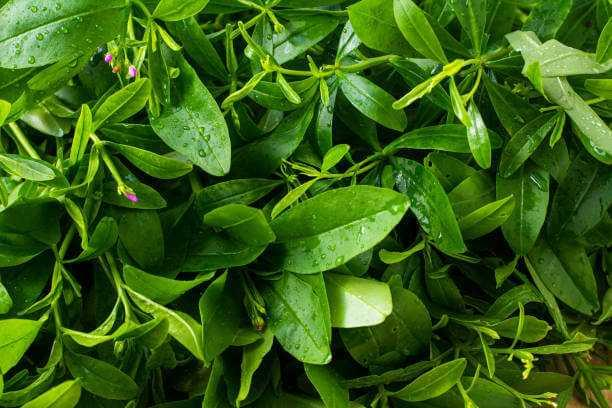
Waterleaf is a leafy green vegetable that is popular in West Africa. It is loaded with nutrients and health benefits, which is why it has become so popular in recent years. Waterleaf can be eaten cooked or raw, and it can be used in a variety of recipes. In this blog post, we will discuss the many benefits of waterleaf and how you can use it to improve your health!
Waterleaf is a rich source of vitamins and minerals, including vitamins A, C, and K, as well as calcium, iron, and magnesium. It is also a good source of dietary fibre and is an excellent source of vitamins C and A, iron, zinc and molybdenum. This leafy green vegetable has a high water content, which makes it very refreshing and hydrating.
Health benefits of waterleaf
Waterleaf is an excellent source of vitamin A, an essential source for healthy eyes, helping to delay the effects of retinal disease, improve vision in dark places, and reduce the risk of cataracts. Waterleaf is an excellent source of calcium and phosphorus, both of which are important for healthy bones and provide a great deal of support, especially for women over the age of 60 with osteoporosis.
Water leaves are a great source of iron. People with mild symptoms of iron deficiency may benefit from switching to an iron-rich diet, such as waterleaf. Waterleaf is an excellent source of vitamin C, providing approximately 31 mg per 100 g of the plant. Therefore, it is thought that it may reduce the risk of developing Alzheimer's disease and delay the decline in cognitive function with ageing.
Waterleaf is an excellent food for overall health and well-being. Here are some of the many benefits of waterleaf:
1 Waterleaf is a good source of vitamins A and C, which are both essential for boosting immunity. Vitamin A helps to protect against infections, while vitamin C helps to fight off viruses and bacteria.
Improves Digestion: Waterleaf is a good source of dietary fibre, which is important for maintaining a healthy digestive system. Fibre helps to bulk up stools and prevents constipation.
Prevents anaemia: Waterleaf is a good source of iron, which is essential for preventing anaemia. Iron helps to transport oxygen around the body and is necessary for the production of red blood cells.
Improves bone health: Waterleaf is a good source of calcium, which is essential for bone health. Calcium helps to strengthen bones and prevent osteoporosis.
Lowers blood pressure: Waterleaf is a good source of magnesium, which has been shown to lower blood pressure.

How to use waterleaf
Waterleaf can be eaten cooked or raw. It can be used in soups, stews, salads, smoothies, stir-fries and pizzas. It can be eaten raw, but it is recommended that you don't eat it in large quantities. When buying waterleaf, look for fresh leaves that are dark green in colour. Avoid leaves that are yellow or wilted.
Waterleaf recipes
Edikangikong Soup:
One way you can use water leaves is to prepare Edikanng ikong. Edikang ikong soup is a soup made with waterleaf, crayfish, and pumpkin leaves. It is a famous soup in Nigeria. It is a very healthy soup that is low in calories and fat and high in fibre. It is also a good source of vitamins A, C, and K.
Ingredients:
½ cup ground crayfish
¼ cup palm oil
Chopped waterleaf
Chopped pumpkin leaves (Ugu)
Chopped spinach
½ lb beef, boiled and cubed
½ lb smoked turkey, cubed
½ lb shrimps, peeled and deveined
Salt
Broth
Red pepper (optional)
Ponmo
Instructions:
In a pot of boiling protein broth, turn in the red pepper, ground crayfish, and salt to taste. Stir, and let it simmer for five minutes. Then, turn in the red palm oil and boil for a further five minutes. Add the crayfish, pomo, beef, smoked turkey and shrimps, and simmer for five minutes. Next, turn in the water leaves, spinach, and pumpkin leaves, and simmer for two minutes. Stir and cook for five to 10 minutes, and serve hot with any swallow of your choice (fufu, eba, or poundo iyan).
Vegan Jollof Rice with Waterleaf:
This jollof rice is a vegan version of the popular Nigerian dish. It is made with rice, waterleaf, and a variety of other vegetables. This dish is healthy and flavourful, and it is sure to please everyone at the table.
Ingredients:
½ cup vegetable oil
¼ cup tomato paste
Rice
½ tsp cayenne pepper
½ tsp ground ginger
¼ tsp ground cloves
¼ tsp ground cinnamon
¼ tsp ground nutmeg
Salt
Broth
Chopped waterleaf
Chopped spinach
Instructions:
In a pot, heat the oil over medium heat. Add the tomato paste, cayenne pepper, ginger, cloves, cinnamon, nutmeg, and salt to taste, then fry. Stir in the broth and cook for five minutes. Add the rice and continue to stir until the rice is evenly coated with the tomato mixture. Cover the pot with a lid and cook for 30 minutes, or until the rice is tender and cooked through. Add waterleaf and spinach, and stir well. Cook for five minutes, and serve hot with a side of plantain or avocado.
Waterleaf Stew:
This waterleaf stew is a simple yet flavourful dish that is sure to please everyone at the table. It is made with waterleaf, beef, and a variety of other vegetables. This dish is hearty and filling, and it is sure to become a new family favourite.
Ingredients:
½ cup vegetable oil
¼ cup tomato paste
Chopped waterleaf
Chopped spinach
Cubed beef
Salt
Red pepper
Broth
Instructions:
In a pot, heat the oil over medium heat. Add the tomato paste, and fry for five minutes. Stir in the beef and cook until browned. Add salt to taste, red pepper, and broth. Cover the pot with a lid and simmer for 30 minutes. Add waterleaf and spinach, and stir well. Cook for five minutes, and serve hot with a side of plantain or rice.
There are many different ways that you can use waterleaf to create a delicious and healthy meal. Whether you make a soup, stew, or stir-fry, waterleaf is sure to be a hit at your next meal. So, what are you waiting for? Give waterleaf a try today!
How to store waterleaf
Harvested waterleaf can be eaten immediately, dried, or refrigerated in a plastic bag to keep it fresh. If you want to use the water leaves for cooking immediately, you should use them directly from the market. Otherwise, the next day, the leaves will fall and begin to rot. However, for later use, wash the waterleaf first, then chop it finely with a sharp knife or pack it in a ziplock bag and store it in the freezer, then freeze it until ready for use. When you're ready to use the waterleaf, use it while it's still frozen. Without thawing, drop the frozen water leaf straight into a pot of boiling soup.

Things to be aware of when using water leaves
Waterleaf can contain high levels of oxalates, which can cause kidney stones in some people. If you have a history of kidney stones, it is best to avoid eating waterleaf or eat it in small quantities. Waterleaf is also high in vitamin A, so if you take supplements containing vitamin A, it is best to eat waterleaf in moderation.
Are there any allergies associated with eating water leaves?
Yes, waterleaf can cause an allergic reaction in some people. Symptoms include itching, swelling of the lips, throat and tongue, and difficulty breathing. If you experience any of these symptoms after eating waterleaf, it is best to seek medical help immediately.
Despite the few risks associated with eating waterleaf, it is overall a healthy food that can be enjoyed by many people. So go ahead and add waterleaf to your next meal! Your body will thank you for it.
Waterleaf is a versatile leafy green vegetable that can be used in many different recipes. It is a good source of vitamins and minerals, and it has several health benefits. If you are looking for a new vegetable to add to your diet, waterleaf is a great option.
Share:
Benefits of using garlic powder in your meals
The best vegan BBQ ideas