
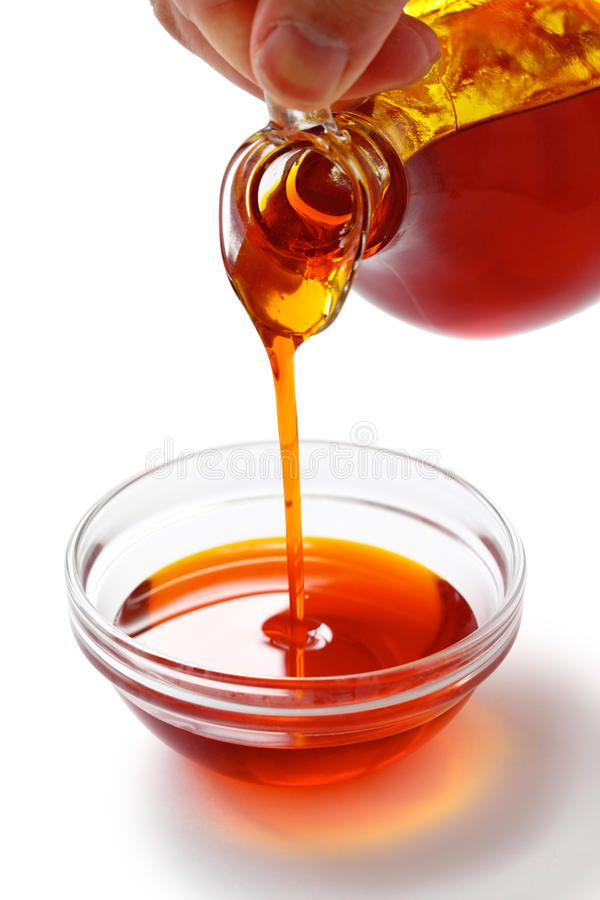
Is palm oil a healthy oil? This is a question that many people are asking these days. Palm oil has been in the news quite a bit lately, and not all of the publicity has been good. Some people say that palm oil is unhealthy, while others claim that it is a healthy food. So, what is the truth? Let's take a look at palm oil and see how healthy it is!
Palm oil is a type of vegetable oil extracted from palm fruit. The palm fruit is grown on the African palm tree, which is native to Africa and parts of Asia. For centuries, people in these regions have used palm oil as a cooking oil, as well as for other purposes such as cosmetics and medicine.
The taste and appearance of palm oil are similar to other vegetable oils, such as canola oil or olive oil. It is a red-orange colour in its raw form, but it becomes lighter in colour after it is refined.
Palm oil is an edible vegetable oil. It is red because it is rich in carotenoids, specifically beta-carotene. Palm oil has been used for centuries in tropical regions, where palm trees grow naturally. It is a common ingredient in many processed foods, including margarine, baked goods, ice cream, mayonnaise, and packaged snacks, as well as cosmetics and other personal care products. So...is palm oil healthy? Let's take a closer look at this controversial oil!
How is palm oil produced?
Palm oil is produced from the palm fruit, which grows on the African palm tree. The palm fruit is harvested, and then the palm oil is extracted from the fruit. Palm oil can be extracted from the fruit in two ways: either by pressing or by solvent extraction. After the palm oil is extracted, it is then refined to remove any impurities.

What are the health benefits of palm oil?
Palm oil is a healthy food because it is high in monounsaturated fats and low in saturated fats. Palm oil also contains vitamin E, which is an important antioxidant. Palm oil has many health benefits, such as:
Reducing cholesterol levels
Reducing the risk of heart disease
Improving cognitive function
Preventing cancer
Boosting the immune system
Palm oil also contains a type of vitamin E that is not found in other oils. This vitamin E, called tocotrienols, has been shown to lower cholesterol levels and protect against heart disease.
Is palm oil healthy?
Palm oil is rich in vitamin E, which is essential for keeping your immune system healthy and helping cells communicate. In addition to being a great source of vitamin E, palm oil also contains several other important nutrients. These include vitamin K, which is required for blood clotting and bone mineralisation, and tocotrienols, which have been shown to have anti-cancer properties.
Palm oil is high in saturated fat, which has been linked to heart disease. However, palm oil also contains a type of saturated fat that is different from the saturated fat found in other oils. This type of saturated fat, called palm oil fatty acids, may help to protect against heart disease.
Palm oil is a red oil, and it gets its colour from the high levels of carotene that it contains. Carotene is an antioxidant, which means that it helps to protect the body from damage caused by free radicals. Palm oil also contains other vitamins and minerals, such as copper and magnesium, which are important for good health.
The fact that palm oil contains so many vitamins and minerals in one all-natural product makes it an ideal choice for cooking at home.
Is palm oil healthier than other oils?
Palm oil contains monounsaturated and polyunsaturated fats and more saturated fat than olive oil and about the same amount as butter, but less than other tropical oils such as coconut oil.
The health effects of palm oil depend on how much you eat and what kind of food it's in. It might be healthier than other types of cooking oils if you use it in moderation or replace other fats with it in your diet.
Which is better for you: palm oil or vegetable oil?
There are a lot of questions when it comes to choosing between palm oil and vegetable oil. Which is healthier? Which tastes better? Which is better for the environment? There are a few things to consider when choosing between palm oil and vegetable oil:
The amount of saturated fat in palm oil is higher than that found in vegetable oil, but vegetable oil contains more vitamin K. Overall, given the differing fatty acid compositions of the two oils, vegetable oil may be a healthier choice than palm oil.
Culinary uses of palm oil
Palm oil is a versatile oil that can be used in many different ways. It has a high smoke point, which makes it ideal for frying and cooking at high temperatures. Palm oil can also be used in baking and as a spread.
Recipes using palm oil
Palm oil fried rice
Ingredients:
Palm oil
Rice
Broth
Onions
Vegetables (carrot, green peas, corn)
Soy sauce
Salt
Pepper
Instructions:
Heat palm oil in a large skillet over medium heat.
Add rice and cook for about five minutes, stirring frequently.
Add broth, onions, and vegetables.
Cook for about 15 minutes, or until the rice is tender and the vegetables are cooked through.
Season with soy sauce, salt, and pepper to taste.
Spicy palm oil noodles
Ingredients:
Palm oil
Noodles
Broth
Garlic
Ginger
Red pepper flakes
Soy sauce
Salt
Pepper
Instructions:
Cook noodles according to package instructions.
Heat palm oil in a large skillet over medium heat.
Add garlic and ginger and cook for about one minute.
Add noodles, broth, and red pepper flakes.
Cook for about five minutes, or until the noodles are tender.
Season with soy sauce, salt, and pepper to taste.
Non-Culinary Uses of Palm Oil
Palm oil is not just for cooking! Palm oil can also be used in non-culinary ways, such as:
Hair treatment
Soap
Massage oil
Candles
Cosmetics
What are the risks of palm oil?
There are some risks associated with palm oil, such as:
Environmental damage:
The cultivation of palm oil can have a negative impact on the environment. Palm oil plantations can lead to deforestation and habitat loss, as well as pollution of waterways.
The palm oil industry is also responsible for greenhouse gas emissions. Palm oil production creates large amounts of carbon dioxide and methane, which are two of the most potent greenhouse gases.
Health risks:
Some studies have linked palm oil consumption to an increased risk of cancer. However, these studies are not conclusive, and more research is needed. Saturated fat, which palm oil is high in, has been linked to several health problems, such as:
Heart disease
Stroke
Obesity
Type II diabetes
Palm oil is also high in calories, so it is important to be mindful of how much palm oil you consume.
Are there any allergies associated with palm oil?
There are no known allergies associated with palm oil. However, if you have an allergy to palm trees or coconuts, you may be allergic to palm oil. If you experience any adverse reaction after consuming palm oil, stop using it and consult your doctor.
Palm oil is a healthy food that has many benefits. However, there are also some risks associated with palm oil. These risks should be considered when deciding whether or not to include palm oil in your diet. Get your palm oil from a reputable source, such as niyis.co.uk, to ensure you are getting a high-quality product. Shop with us today for all your palm oil needs.
Share:
Gizzard recipes you'll love and benefits
8 Tasty passion fruit recipes you need to try